

Why Won't My Muscles Recover? Understanding Fatigue, Spasms, and What Actually Helps
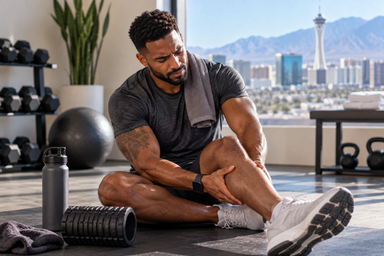
You did the workout. You slept. You drank a glass of water and told yourself you'd feel better by morning. Except you didn't. The soreness lingered, your legs felt heavy on the stairs, and out of nowhere your calf seized up in the middle of the night. If that sounds familiar, you're not imagining things, and you're definitely not alone. Muscle fatigue recovery is one of those things everyone assumes will just happen on its own, until it stops happening on its own.
Updated this September 2026, this article breaks down what's actually going on when your muscles refuse to bounce back, why cramping and spasms show up when they do, and what a smarter recovery plan can look like here in Las Vegas.
What Causes Ongoing Muscle Fatigue and Slow Recovery?
Ongoing muscle fatigue usually comes down to your muscles not getting what they need to repair themselves fast enough between uses. That can mean insufficient fluid and electrolytes, poor circulation delivering less oxygen to tissue, accumulated micro damage from repeated strain, or simply asking your body to do more than it's currently conditioned for.
Is It Just Normal Soreness, or Something More?
Typical post-exercise soreness (the kind that peaks a day or two after activity) usually eases on its own within 72 hours. When soreness drags on for a week, feels disproportionate to the activity, or keeps recurring with everyday movement, it's a sign your recovery systems are falling behind, not that you simply need to "push through it."
Does Sitting All Day Actually Affect Muscle Recovery?
Yes. Prolonged sitting reduces blood flow to the legs and lower back, which slows the delivery of oxygen and nutrients muscles need to repair themselves. Combine a desk job with weekend workouts or a physically demanding job, and you get a pattern of strain without adequate recovery in between, which is a common contributor to spasm management becoming a recurring issue rather than an occasional one.
Why Do Muscle Spasms and Cramping Happen?
Muscle spasms happen when a muscle contracts involuntarily and won't release, and they're most often triggered by dehydration, an electrolyte imbalance, overtraining, or restricted circulation. Each of these disrupts the normal signaling between nerves and muscle fibers, which is what keeps contractions smooth and controlled.
How Does Dehydration Trigger Cramping?
Water helps regulate the electrical signals that tell your muscles when to contract and when to relax. When you're dehydrated, that signaling gets noisy, and muscles are more prone to firing when they shouldn't. Las Vegas heat and low humidity make this an easy trap to fall into, especially if you're active outdoors or spend time in the sun without replacing fluids consistently.
What Role Do Electrolytes Play?
Sodium, potassium, magnesium, and calcium are the minerals responsible for regulating muscle contraction and relaxation. An imbalance in any of them, often from heavy sweating, inadequate diet, or illness, can leave muscles more likely to cramp or spasm even when you don't feel particularly dehydrated.
Can Overtraining Cause Spasms?
Overtraining depletes glycogen stores and accumulates fatigue faster than your body can clear it, which makes muscles more irritable and prone to involuntary contractions. This is especially common when training volume increases quickly, like ramping up for an event or ending a long break from activity.
How Is Poor Circulation Connected to Muscle Cramping?
When circulation is restricted, whether from prolonged sitting, tight clothing, cardiovascular issues, or cold exposure, muscles receive less oxygen and accumulate metabolic byproducts that contribute to cramping. If poor circulation feels like a recurring theme in your fatigue and cramping, it's worth exploring as its own circulation and recovery concern rather than treating each cramp as an isolated event.
When Are Muscle Spasms a Sign of Something More Serious?
Occasional cramps after intense activity are usually harmless, but spasms that are frequent, severe, occur without clear triggers, or come with numbness, swelling, or weakness deserve a medical evaluation. Persistent or worsening spasms can point to an underlying issue such as a nerve problem, medication side effect, or metabolic condition that needs proper diagnosis rather than home remedies alone. If you're dealing with chronic muscle fatigue recovery struggles alongside spasms, it's worth discussing your symptoms with a provider, and our team addresses muscle and joint pain concerns as part of a broader wellness evaluation.
How Does IV Therapy Support Muscle Recovery?
IV therapy supports muscle recovery by delivering fluids and electrolytes directly into the bloodstream, bypassing the slower absorption process of drinking water or eating alone. For anyone dealing with dehydration-related fatigue or cramping, that faster replenishment can make a meaningful difference in how quickly muscles settle down and rebuild.
What Does an IV Session Actually Replace?
A well-formulated IV can include sodium, potassium, magnesium, and other electrolytes alongside fluids, essentially restoring the exact balance that heavy sweating, overtraining, or illness disrupts. This is particularly relevant in a climate like Las Vegas, where fluid loss happens faster than people often realize, even during routine daily activity. Our IV therapy sessions are designed with recovery and hydration in mind, whether you're recovering from a hard training block or just trying to catch up on what your body has lost.
Is IV Therapy a One-Time Fix?
IV therapy works best as part of a consistent recovery routine rather than a single rescue session after a bad week. Regular hydration support paired with good daily habits helps prevent the fatigue and spasm cycle from repeating.
Can Emsculpt Neo Help With Muscle Recovery and Strain?
Emsculpt Neo can support muscle recovery by improving muscle tone, endurance, and function through targeted electromagnetic muscle contractions, which may help reduce the strain that contributes to fatigue and spasms over time. It's not a treatment for an acute injury, but as part of an ongoing wellness plan, it helps build resilience in overworked or underused muscle groups.
How Does This Connect to Chronic Pain and Overuse?
We've seen this play out clearly with lower back strain. Our blog on how Emsculpt Neo relieves chronic back pain explains how strengthening and conditioning the muscles around a chronically strained area can reduce the load on that area day to day, which is the same underlying principle that makes it a useful tool for general muscle fatigue and recovery support. Stronger, better-conditioned muscle tissue tends to fatigue less quickly and recover more efficiently between demands. Learn more about the Emsculpt Neo sessions we offer and whether they fit into your recovery goals.
What Everyday Habits Support Faster Muscle Recovery?
Consistent hydration, adequate sleep, gradual increases in activity intensity, regular movement breaks if you sit for long periods, and a diet that includes enough electrolytes and protein all support faster recovery. None of these habits work in isolation. They build on each other, which is why spasm management tends to improve most when people address hydration, movement, and muscle conditioning together rather than picking just one.
Small changes matter here too. Stretching before and after activity, wearing breathable clothing in the heat, and paying attention to your body's early fatigue signals rather than pushing through them can prevent a lot of the recovery setbacks people experience.
Frequently Asked Questions
What is the fastest way to recover from muscle fatigue? Replenishing fluids and electrolytes quickly, resting the affected muscle group, and supporting circulation are the most effective first steps. For persistent fatigue, IV therapy can help restore what intense activity or heat exposure has depleted more efficiently than drinking water alone.
Why do I get muscle cramps at night? Nighttime cramps are often linked to dehydration, electrolyte imbalances, or muscle fatigue that built up during the day and hasn't fully resolved. If they happen frequently, it's worth looking at your hydration habits and daily activity level as a starting point.
Can dehydration cause muscle spasms even if I'm not exercising? Yes. Dehydration affects the electrical signaling in muscles regardless of activity level, which is why spasms can happen even during rest, especially in a hot, dry climate like Las Vegas.
How does Emsculpt Neo differ from a regular workout for muscle recovery? Emsculpt Neo uses targeted electromagnetic contractions to condition muscle tissue in a way that complements regular exercise, supporting strength and endurance that can reduce day-to-day strain and support muscle fatigue recovery over time.
When should I see a doctor about muscle spasms? If spasms are frequent, severe, unexplained, or accompanied by numbness, swelling, or weakness, it's time for a proper medical evaluation rather than continuing to manage symptoms on your own.
Does IV therapy help with muscle soreness after a workout? It can. Replacing lost fluids and electrolytes supports the recovery process, which may reduce how long soreness lingers, particularly after intense or prolonged activity in the heat.
Ready to Stop Negotiating With Your Own Muscles?
Persistent soreness and surprise cramps shouldn't just be the cost of staying active in Las Vegas. Whether your recovery needs a hydration reset, a muscle conditioning boost, or both, a proper plan makes all the difference. Reach out to our team to talk through what's going on, or browse our full range of services to see what fits your recovery goals.